Merced, CA · Garage Door Service
Openers, Power Outages, and the Heat Merced Houses Were Built For
Merced homes built 1972-1998 run openers through brutal summer heat and grid strain. Here's what fails first and when a call to Merced Garage Door Pros makes sense.
- Repairs & new doors
- Springs & openers
- Serving 4 nearby communities
The Problem
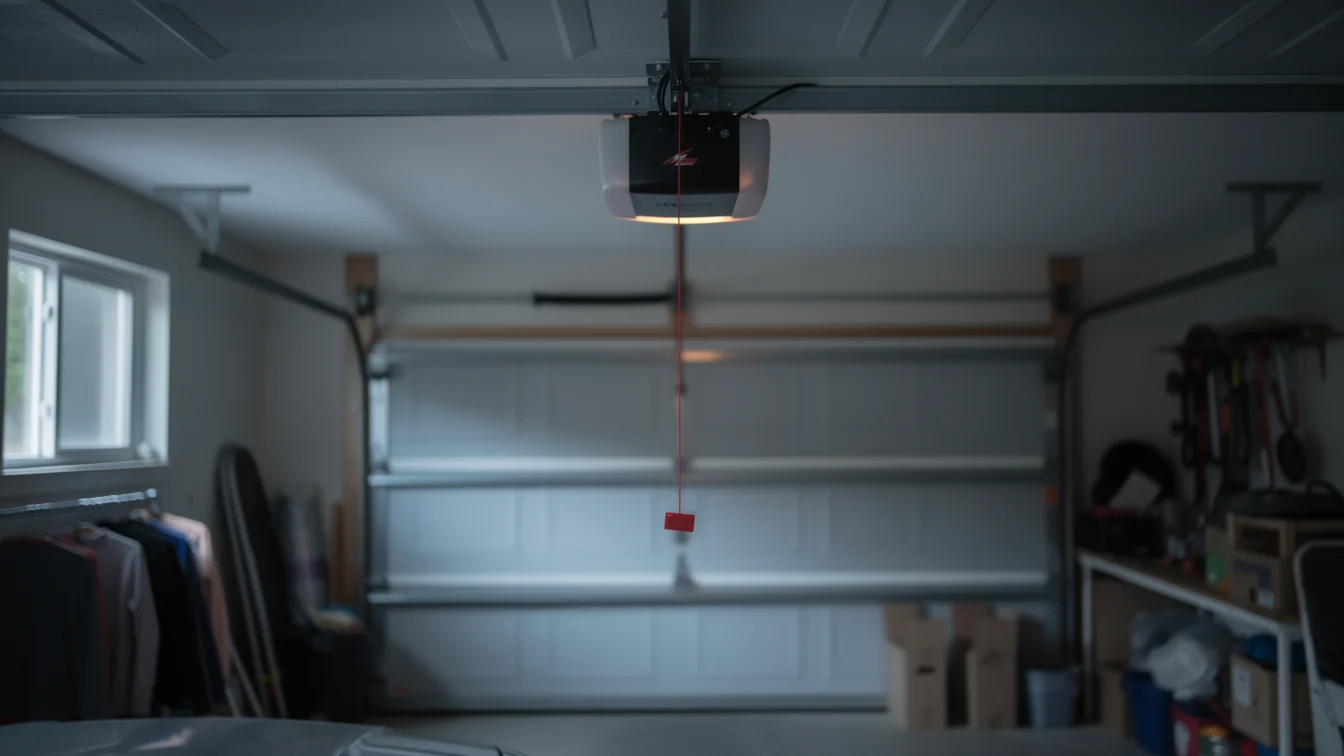
Most houses in the Merced service area went up between 1972 and 1998, with the median landing around 1983. That's a specific generation of opener: chain-drive units with AC motors, many of them original or a single replacement deep, wired into a circuit that was never built with a modern household's draw in mind. Add a severe heat band and you get a pattern that shows up every summer - the opener works fine in the cool months, then starts tripping, reversing, or just going dead on the hottest afternoons. It's not random. It's a motor running at the edge of its tolerance in a garage that can sit well above outside air temperature by midafternoon, on a circuit that's also feeding whatever else is pulling power in that 1980s-era panel. Across the ten named areas in this service footprint, the story repeats because the housing stock repeats. A door built for a 1983 household wasn't speced for 2024 appliance loads or for the rolling power outages that come with grid strain during peak heat events. When the power drops and comes back, some of these older openers don't recover clean - they need a manual reset at the unit, not just a flip of the breaker.
What Local Conditions Do
Heat this consistent does two things to an opener system in a house from this era. First, it degrades the capacitor and the drive logic board faster than a mild climate would - these are 30-to-50-year-old housing shells, and even a replacement opener installed ten years ago has now logged a decade of severe-heat summers. Second, it expands and contracts the steel track and the header bracket daily, which loosens the lag bolts holding the rail to the frame. On a chain-drive unit, that slack shows up as a loud slap at the start or end of travel. On a belt-drive, it shows up as the door hesitating a half-second before it moves. Power outages compound both problems: a motor that loses power mid-cycle and then gets power back often tries to finish the cycle from the wrong position, which is how you get a door that reverses for no visible reason or refuses to close past a certain point. With 14,105 owner-occupied houses across this area sitting in homes of this vintage, this isn't a rare combination - it's the normal failure mode for the housing stock Merced actually has.
Leaving It Alone
A door that only misbehaves on the hottest days is tempting to ignore, because it works again once the sun goes down. But an opener that's been tripping and resetting all summer is wearing down its drive gear and its capacitor on every cycle, not just the bad ones. By the time it fails for good - usually in the second or third heat wave of the season - you're often not looking at a simple swap. A header bracket that's been working loose for three summers can pull drywall or crack the jamb trim when it finally lets go, especially on the original 1972-1998 framing many of these houses still have. We won't tell you every rattle needs a truck out the same week. A door that's merely loud but still reverses safely and closes flush can usually wait for a scheduled visit. What can't wait is a door that's stopped reversing on obstruction, or one that drops instead of lowering under control after a power outage - that's a safety issue, not a convenience one.
When to Call Someone
Call if the opener fails to reset itself after a power outage and the manual release and reset don't bring it back - that usually means the logic board took the hit, not just the motor. Call if you hear a new slap or bang at the header bracket, since that's the mounting pulling loose from older framing, and it gets worse with every hot day, not better. Call if the door reverses unpredictably on a day that isn't especially hot, because that points to a wiring or sensor problem rather than heat stress, and it's worth catching before the next heat event makes it worse. We don't carry every discontinued motor board for openers from the 1970s and 80s - some of those parts are no longer made, and on a unit that old, replacement is usually the honest answer over a repair that won't outlast the season. If you're not sure which category your door is in, describe what it's doing and when; that alone usually tells us whether it's a same-week job or something that can be scheduled.
Frequently asked questions
Why does my garage door opener only act up on the hottest days?
Because the motor, capacitor, and logic board are running closer to their heat tolerance than they were when installed, and Merced's heat band pushes them there regularly. If your opener is original to a house built in the 1972-1998 range, it's had decades of this stress already, which is often why it shows up now instead of earlier.
Does a power outage damage my opener?
Not usually by itself, but an opener that loses power mid-cycle can lose track of door position and behave oddly on the next cycle - reversing early, stopping short, or not responding until you do a manual reset at the unit. Repeated power outages over a season add wear faster than normal use alone.
Is it worth repairing an opener from the 1980s?
Sometimes, but not always - parts for openers that old are often discontinued, and a board-level repair on a 30-plus-year-old motor rarely outlasts a replacement. We'll tell you honestly which side of that line your unit falls on rather than default to either answer.
My door rail is loose at the header - is that heat related?
Likely yes if it's a new rattle. Daily heat expansion and contraction works lag bolts loose at the header bracket over years, especially on original framing from the 1970s-90s. It's a straightforward tightening job if caught early, but left alone it can pull at the drywall or trim.
Related garage door services in Merced
More garage door guides
Book garage door service in Merced
Call now or request a quote - tell us what the door is doing and where you are.